
Understanding the Month of Safar: Significance and Preparation
Safar marks the second month of the Islamic calendar. Despite various cultural superstitions, Islam teaches that Safar carries no inherent ill omen. Explore the true historical context and learn how to maximize your spiritual growth during this time.
The month of Safar is the second month in the Islamic lunar calendar, following Muharram. Over the centuries, certain cultural myths and superstitions have surrounded this month, with some mistakenly believing it to be a time of bad luck or misfortune. However, the teachings of Islam strictly refute such baseless beliefs.
Dispelling the Myths of Safar
Prophet Muhammad (PBUH) clearly stated, "There is no disease that is conveyed without Allah's permission, nor is there any bad omen (from birds), nor is there any (bad omen in a) Safar..." (Sahih Bukhari). This profound Hadith dismantled the pre-Islamic Arabian superstition that Safar brought illness and hardship.
In Islam, all time is created by Allah, and no month is inherently cursed. Instead of harboring unnecessary fears, Muslims are encouraged to use Safar as a time for continued spiritual reflection, regular prayers, and giving charity (Sadaqah) to ward off genuine difficulties.
Performing Umrah During Safar
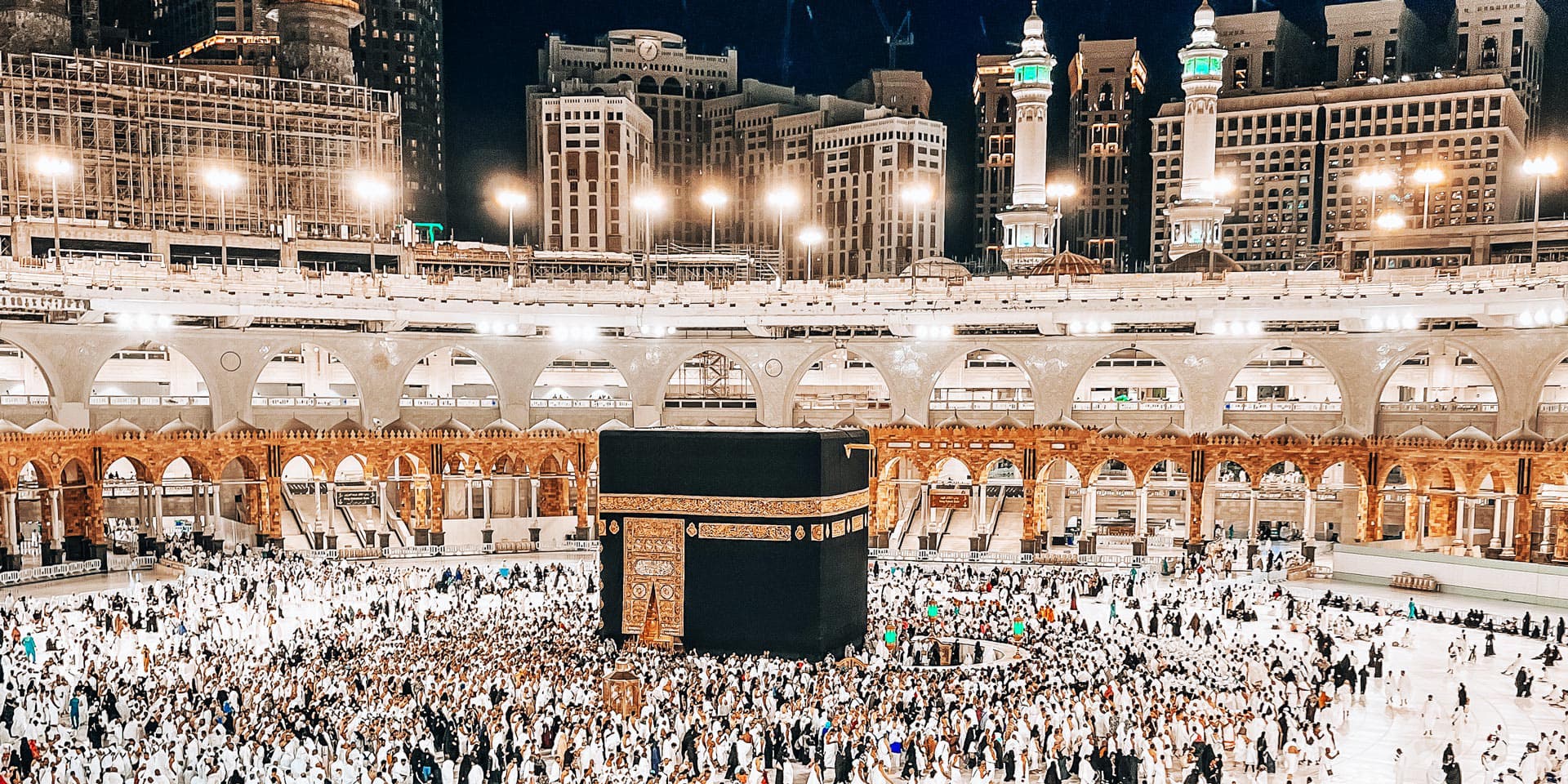
Historically, Safar tends to be a slightly quieter month for Umrah compared to the bustling seasons of Ramadan or Rabi' al-Awwal. This makes it an exceptionally appealing time for pilgrims seeking a more tranquil and peaceful experience in the Holy Cities.
Hudaa Travel offers exclusive Umrah packages during Safar, allowing you to take advantage of less crowded Mataf (the area around the Kaaba) and more affordable hotel rates. Embrace the serenity of the season and focus deeply on your spiritual connection without the distraction of massive crowds.
Leave a Comment
Your email address will not be published. Required fields are marked *